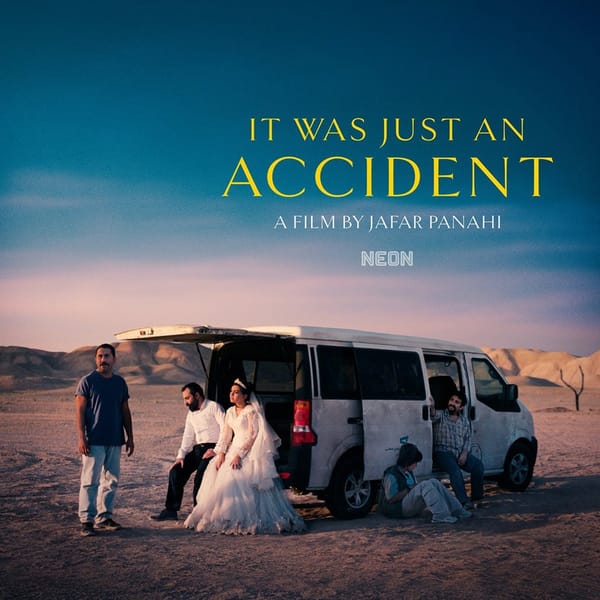
Collective Trauma in the Cinema of Jafar Panahi
Panahi’s latest film is a political black comedy with a mystery at its core. Its subject is both grim and peculiar: the enduring bond between torturer and victim in the Islamic Republic of Iran.
Panahi’s latest film is a political black comedy with a mystery at its core. Its subject is both grim and peculiar: the enduring bond between torturer and victim in the Islamic Republic of Iran.

Iran forces a question many Western-left debates avoid: are political rights truly universal? When repression abroad is endlessly contextualized rather than opposed, solidarity dissolves into geopolitical caution and internationalism loses its meaning.

Mourning dance represents a shift in how grief is embodied. Each step challenges fear; each rhythm asserts presence. Dancing bodies become living archives, carrying memory through motion and making forgetting impossible.

On 8–9 January 2026, nationwide protests in Iran culminated in one of the deadliest crackdowns in recent history. This essay explores how symbolic power, media framing, and distorted risk perception shaped a collective perceptual error.

“Woman, Life, Freedom” began as a plural uprising from Iran’s margins. Through media framing and nationalist reframing, its radical challenge to centralism was narrowed into a single narrative, turning unity into a vehicle for erasure.
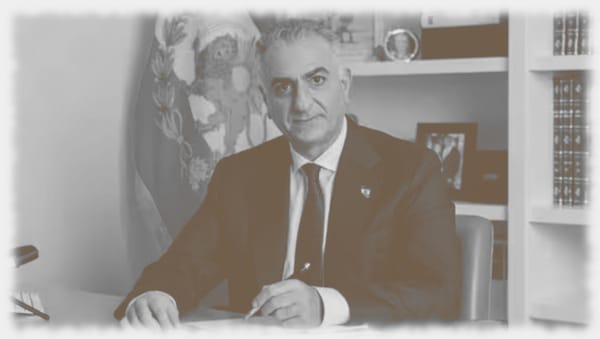
The patriarchal logic of monarchy extends beyond dynastic succession. Once detached from the palace, it reappears at the national level, reorganizing political authority through paternal symbolism and demands for loyalty rather than popular consent.
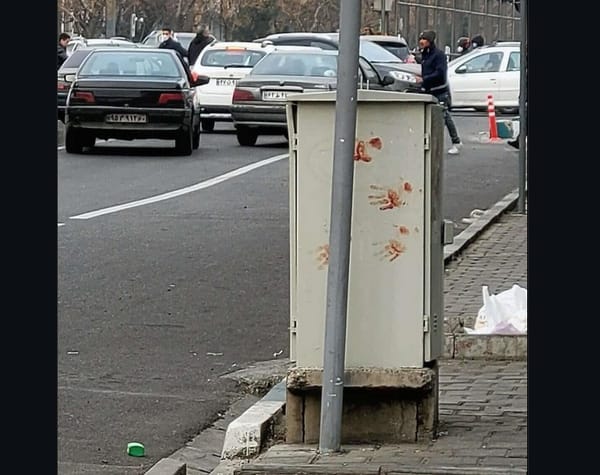
Persian edition 4 February 2026 This essay is not about Iran; it is about the method through which Iran is explained. It examines a mode of thinking that recognizes repression, poverty, and class struggle only as long as they occur in the “right” geography—and the moment they cross an

From the outset, the concept of “barandāzi” (براندازی) defined itself in opposition to reformism, while at the same time keeping a deliberate distance from its conceptual sibling, revolution.

Thursday 22 January 2026 Besiege your besiegement, no way out. Your arms fell, pick them up. Strike your enemy, no way out. Mahmoud Darwish From the moment we open our eyes, if we have slept at all, we coil inward like serpents, tightening with each new blow of bad news.
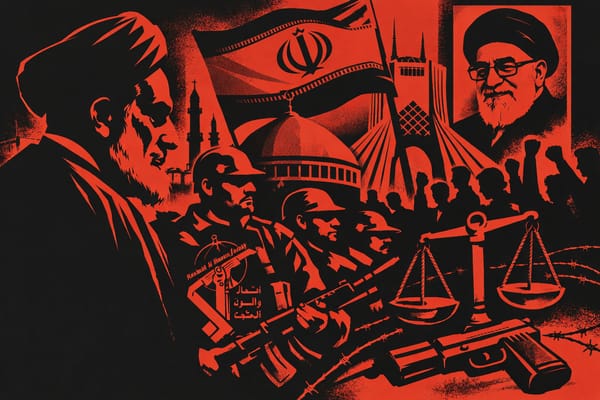
Editorial Note (2026): In the wake of the popular protests in Iran in January 2026, public curiosity about the nature of the Islamic Republic, its political architecture, and its internal logic of power has intensified. The essay below, first published in Persian in 2013, is drawn from the archives of
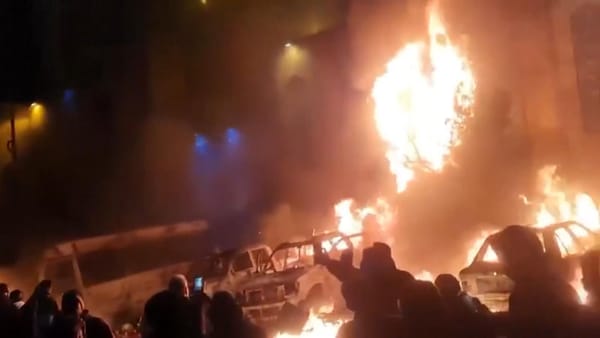
by Mahtab Mahboub Tuesday 13 January 2026 Iran is undergoing an escalation of repression by the government: a nationwide internet shutdown—now extended to satellite services such as Starlink—is being used to erase visibility while security forces kill protesters and extort families for the return of bodies. This strategy
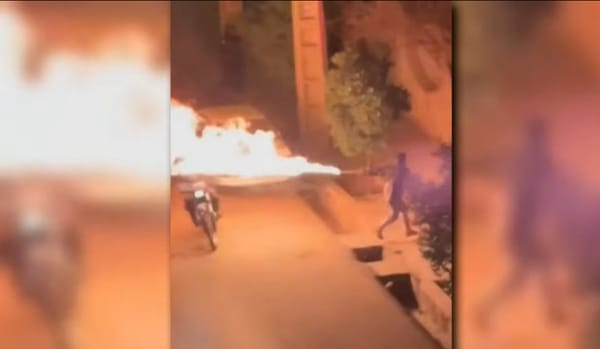
In Iran, economic demands are political. Like “Woman, Life, Freedom,” today’s protests are cross-class and pluralistic, binding bread-and-butter grievances to calls for human dignity and freedom, a signature pattern of 21st-century movements.
Political Commentary
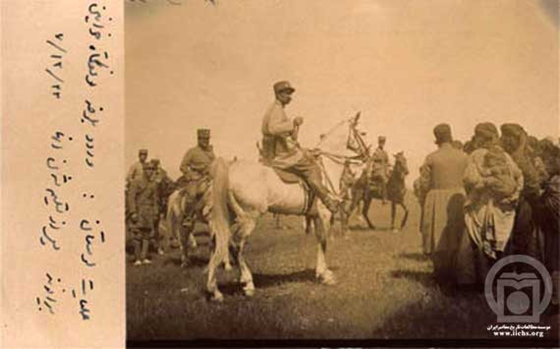
The history of the Lurs is scarred by catastrophes under the Pahlavi regime. The puzzle is how that same regime, or its admirers, reshaped memory so that mass killings are minimized and the butchers of Lorestan are not only forgotten, but forgiven.
Political Commentary
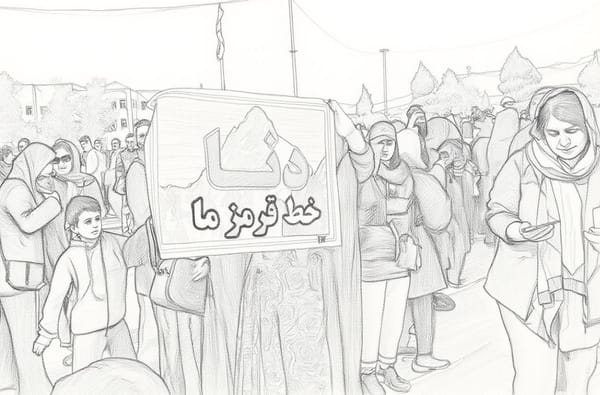
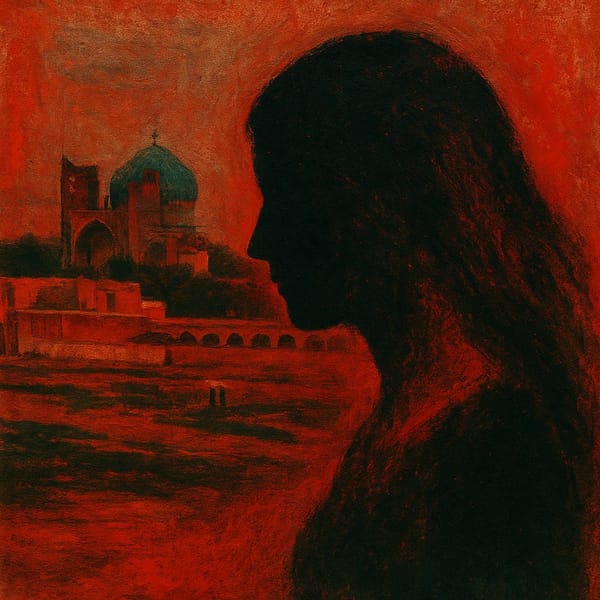
Persian edition In late November 2025, outside the Governorate of Kohgiluyeh and Boyer-Ahmad in Yasuj, a scene unfolded whose very plainness made it one of the most condensed images of the water–development–power nexus in Iran today. ISNA reports that “the people of Yasuj, the provincial capital of Kohgiluyeh
Political Commentary
If we want to fight femicide today, we have to do two things at the same time: expose the structure and record the feeling. A legal and political struggle without archiving feelings collapses into statistics; and an archive of feelings without structure dissolves into ineffectual tears.

Political Commentary
Ahmad Baladi’s death exposes a system where “urban order” masks dispossession. Small livelihoods are erased through legal procedures that present poverty not as a social condition, but as an administrative offense.
Essay
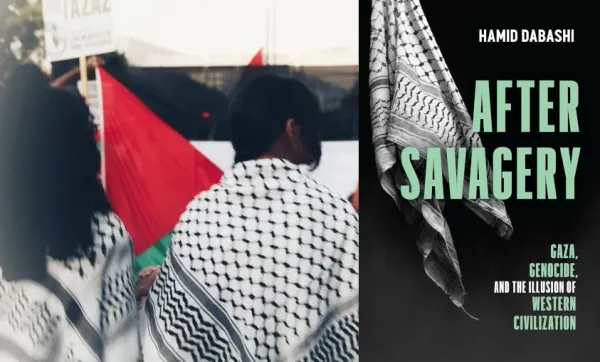
Dabashi’s power lies in rewriting the genealogy of colonial violence and binding it to the present. Still, his critique falters when it treats “the West” as an essence or "civilizational instinct" rather than a shifting system of power and institutions.
News Analysis
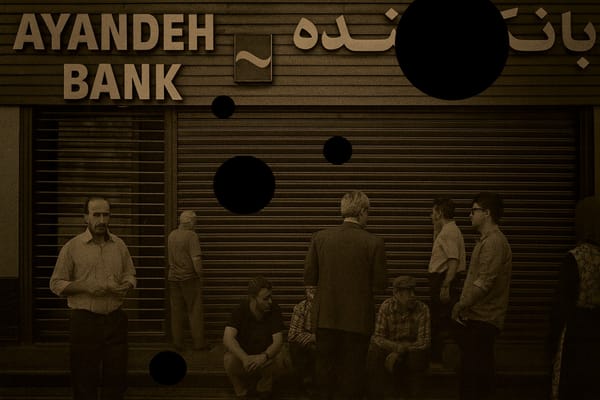
What did bring Ayandeh Bank to its knees? How did a supposedly modern private bank accumulate a deficit so vast, 550 trillion tomans in losses, that the Central Bank could no longer look away?

Political Commentary
In Tehran, prices move like shadows on a wall, unsteady, alive, changing shape every hour. The city inhales but does not move forward; it circles within itself, whispering the language of survival: rent, exchange rate, bread, medicine, and the hope of a light at the tunnel’s end.
Essay
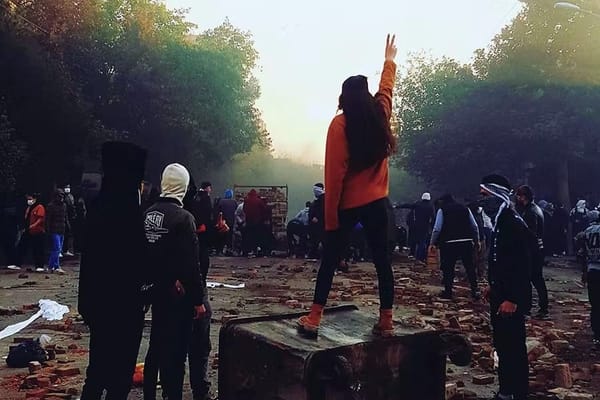
The Islamic Republic regime is weakened but still poses a threat to the Iranian people. The recent short conflict with Israel revealed the country's vulnerabilities and the helplessness of its citizens. How can domestic tyranny be dismantled without succumbing to foreign warfare or internal chaos?
Special Report
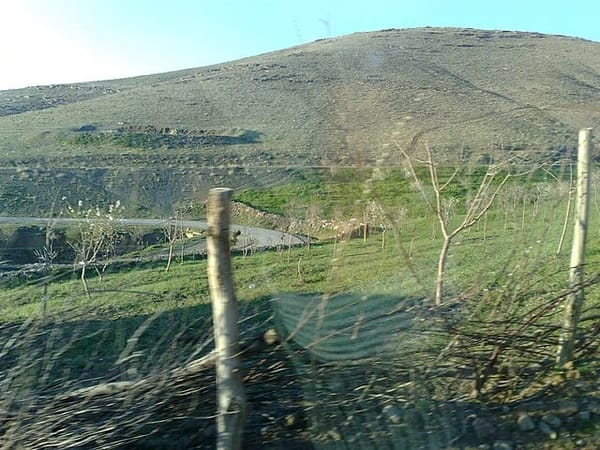
Between March and September, some 3,123 hectares of forests and rangelands across Kurdistan have burned. What lies behind these fires? What resources do local volunteers have to fight them? And how has the state responded?

News Analysis
The abandonment of the Iranian people cannot be laid solely at the feet of their rulers. The same indecision and short-termism that have long characterized the regime’s nuclear diplomacy appear, in another form, in the fractured ranks of the opposition.
News Analysis
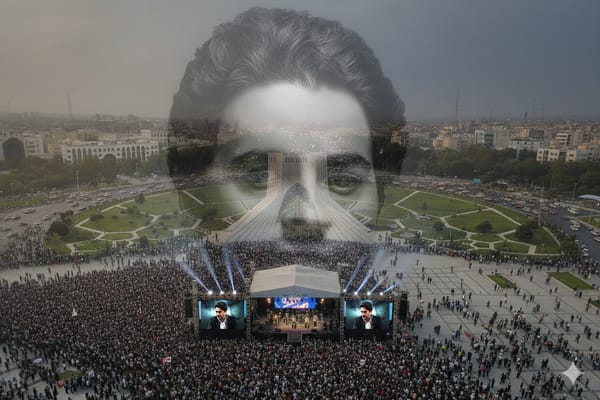
In a country where poverty, corruption, water and power shortages, and runaway inflation are fueling unprecedented anger, the sight of a massive crowd gathered freely in the heart of Tehran could have done more than provide music; it could have lit the fuse of a street revolt.

Essay
What steps in domestic politics could keep us from sliding into an external military aggression, a coup, civil war, and economic–environmental ruin?